Cat Step Embroidery Design Review
First Impressions: A Playful Touch for Handmade Projects
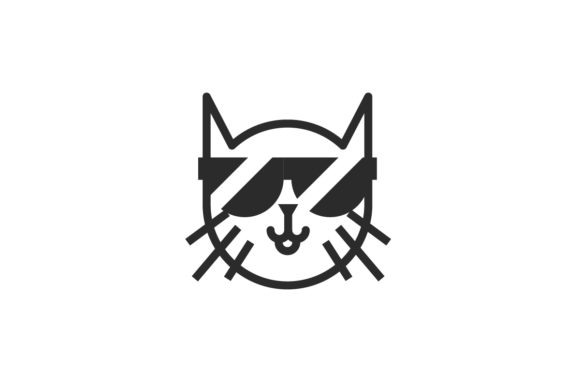
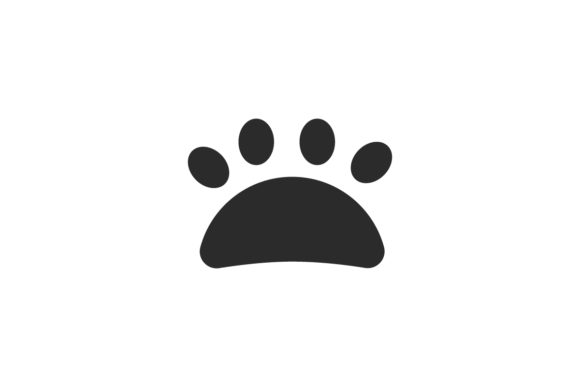
When I first opened the Cat Step design, it immediately felt like a breath of fresh air. The illustration has a soft, whimsical mood that's perfect for adding a touch of charm to handmade items. The shape is simple yet expressive, with just enough detail to capture the essence of a cat taking a step. It's not overly complicated, which makes it feel accessible for both beginners and experienced embroiderers.
The layout is clean and balanced, making it easy to imagine how it would look stitched onto different surfaces. The theme is universally appealing—cats are a favorite among many, so this design could easily find its way into a variety of projects, from baby clothes to holiday gifts.
Real-Life Use: Custom Tote Bag Embroidery
I decided to test Cat Step on a custom embroidered tote bag as a real-life scenario. The goal was to see how well the design translates from screen to fabric. After downloading the files, I noticed that each illustration is separated in a zipped file as a high-resolution PNG with a transparent background and an EPS 10 file. No watermark appears, which is always a relief when preparing designs for clients or selling finished products.
The PNG format made it easy to place the design over a mockup of the tote bag. I used a black and white version to check contrast and stitching clarity. The design looked crisp and clear, with no overlapping lines or confusing details. When I stitched it out on a sample piece of cotton fabric using a medium stitch density, the result was exactly what I expected—a charming, slightly cartoonish cat stepping forward, with smooth satin stitches outlining the figure.
This kind of design works especially well on tote bags, sweatshirts, and aprons where a playful but not too busy graphic is needed. It’s also ideal for baby clothes or nursery decor, where the softness of the image complements the overall aesthetic.
Where to Use with Caution
While Cat Step is versatile, there are some situations where extra care is needed. For example, if you're planning to stitch it on a small hoop size, you may need to adjust the scale or simplify the design to avoid losing detail. Similarly, on stretchy fabrics like knits or jerseys, using a proper stabilizer becomes essential to prevent distortion.
On dark fabrics, thread color contrast should be considered carefully. While the design itself is light and detailed, using a darker thread might make the image stand out more effectively. If you're working on layered garments or curved surfaces like caps or hats, testing the design on scrap fabric first can help ensure it looks good from all angles.
Also, since the design has small details, such as the cat's paw or tail, these areas might require a bit more precision when stitching. Dense stitch areas can sometimes cause the fabric to pucker, so using a suitable stabilizer and adjusting the stitch length accordingly is recommended.
Visual Appeal and Project Value
Cat Step adds a nice visual element without being overwhelming. Its simplicity allows it to blend well with other embroidery elements or stand alone as a focal point. This makes it a great choice for personalized gifts, Etsy listings, or boutique branding. It can elevate the handmade presentation of any product while maintaining a sense of professionalism.
For craft businesses or small shop owners, this design could be a valuable asset. It offers versatility across different product types and customer preferences. Whether it's a holiday gift or a custom apparel item, the design feels approachable and recognizable, which helps build customer trust and engagement.
Practical Embroidery Designer Notes
Before using Cat Step in a commercial or personal project, here are a few practical steps to consider:
- Test on scrap fabric: Always do a test run before committing to a final product. This helps identify any potential issues with stitch density or fabric compatibility.
- Check thread color contrast: Especially important if you're using it on dark or textured fabrics. Consider how the final colors will look under different lighting conditions.
- Review stitch density: Adjust based on the fabric type and desired outcome. Too dense a stitch can cause puckering, while too sparse may look incomplete.
- Confirm hoop size: Ensure the design fits within your chosen hoop size. If necessary, scale it down or divide it into sections for larger projects.
- Inspect small details: Look closely at intricate parts like the cat's features to ensure they remain clear after stitching.
- Test in black and white mockups: This helps assess how the design will appear in different color schemes and on various backgrounds.
- Use proper stabilizer: Especially important for stretchy or thin fabrics to maintain the integrity of the design.
- Check licensing terms: Confirm whether the design is suitable for both personal and commercial use before selling finished items or digital products.
Cat Step is a solid addition to any embroidery designer's collection. It brings a friendly, approachable vibe to a wide range of handmade and commercial projects. Whether you're crafting for yourself, your customers, or your business, this design offers a practical and visually appealing option that's worth considering for your next embroidery project.