Cat Cage Embroidery Design Review
First Impressions: A Playful and Versatile Icon
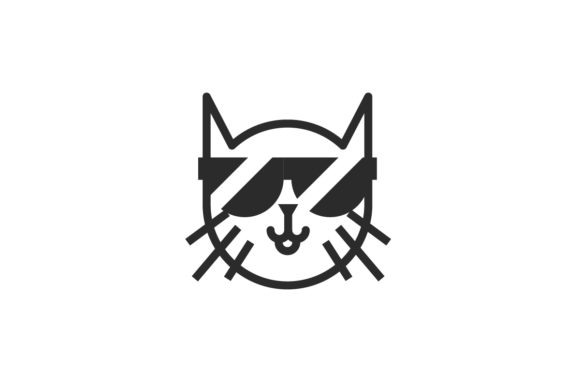
At first glance, the Cat Cage embroidery design feels like a charming blend of whimsy and simplicity. It’s one of those icons that immediately makes you think of pet-themed products or cute, personalized gifts. The illustration is clean, with well-defined lines and a soft, rounded shape that suggests a sense of playfulness without being too over-the-top.
The transparent background and high-resolution PNG format make it easy to visualize how this design would look on different fabrics and colors. As an experienced designer, I appreciate that the EPS 10 file gives flexibility for scaling without losing quality. This design seems more suited for small to medium-sized embroidery projects rather than large-scale commercial applications, but its charm definitely shines in the right context.
Real-Life Use: Custom Tote Bag Scenario
Let’s imagine using Cat Cage on a custom embroidered tote bag. This is a common request among Etsy sellers and small shop owners looking to add a personal touch to their products. The design's simplicity allows it to stand out without overwhelming the fabric. On a light-colored tote, the contrast between the design and the fabric is clear, making it visually appealing.
However, if we were to use it on a dark fabric, the same design might not pop as much unless the thread color is carefully chosen. That’s where testing becomes crucial. I recommend checking thread color contrast on scrap fabric before committing to a full project. Also, considering the stitch density—especially around the bars of the cage—is important to ensure the design doesn’t feel too busy or too sparse.
For a tote bag, I’d suggest using a satin stitch along the edges of the cage to give it a polished look, while fill stitches inside the bars can add depth. The hoop size should be confirmed based on the final dimensions of the design, and using a proper stabilizer will help maintain the integrity of the fabric during stitching.
Where to Use with Caution
Cat Cage works best on smooth, non-stretchy fabrics like cotton or polyester blends. If you're planning to use it on stretchy materials such as knits or jerseys, additional stabilizers or adjustments in stitch density may be necessary to prevent distortion.
It’s also worth noting that this design may not be ideal for very small hoop sizes, especially if you want to keep all the details intact. Tiny lettering or intricate elements could get lost in smaller hoops, so it’s always wise to test the design on scrap fabric first.
Additionally, when placing this design on curved surfaces like caps or hats, the curvature of the surface might affect how the design looks after stitching. In such cases, adjusting the placement or using a hoop that mimics the curve can help achieve better results.
Visual Appeal and Practical Value
The Cat Cage adds a subtle yet recognizable visual element to any handmade product. Whether it’s a baby onesie, a pillow cover, or a holiday gift, this design brings a sense of warmth and personality. Its versatility makes it suitable for both personal and commercial embroidery projects, from boutique branding to Etsy listings.
From a customer perspective, this design can enhance the perceived value of a handmade product. It’s not overly complex, which means it won’t distract from the main purpose of the item, but it’s detailed enough to show craftsmanship. For small business owners and crafters, this kind of icon can be used as part of a larger collection of design assets, helping to build brand consistency across different products.
When used on personalized gifts or custom apparel, the Cat Cage can serve as a conversation starter. It’s something that feels familiar yet unique, which can increase buyer engagement and recognition of your work.
Embroidery Designer Notes: Tips for Using Cat Cage
Before using Cat Cage in any real project, here are a few practical steps to consider:
- Test on scrap fabric: Always do a trial run to see how the design looks and stitches on your chosen material.
- Check thread color contrast: Ensure the colors you choose complement the fabric and stand out clearly.
- Review stitch density: Adjust the stitch count to match the fabric type and desired look.
- Confirm hoop size: Make sure the design fits comfortably within your hoop without stretching or distorting.
- Inspect small details: Look closely at the design to ensure all elements are visible and clear.
- Test in black and white mockups: This helps assess how the design will look on different fabric backgrounds.
- Use proper stabilizer: Especially important for stretchy or thin fabrics.
- Check licensing: Before selling finished items or digital products, confirm whether the design allows commercial use.
By following these steps, you can ensure that Cat Cage performs well in real-life embroidery situations and meets the expectations of both you and your customers.
In summary, Cat Cage is a versatile and charming design that can elevate a wide range of embroidery projects. Whether you're creating personalized gifts, custom apparel, or small shop merchandise, this icon has the potential to add character and appeal to your finished products. Just remember to approach it with a thoughtful and practical mindset, and you’ll be able to make the most of this design in your creative work.